
Newsletter
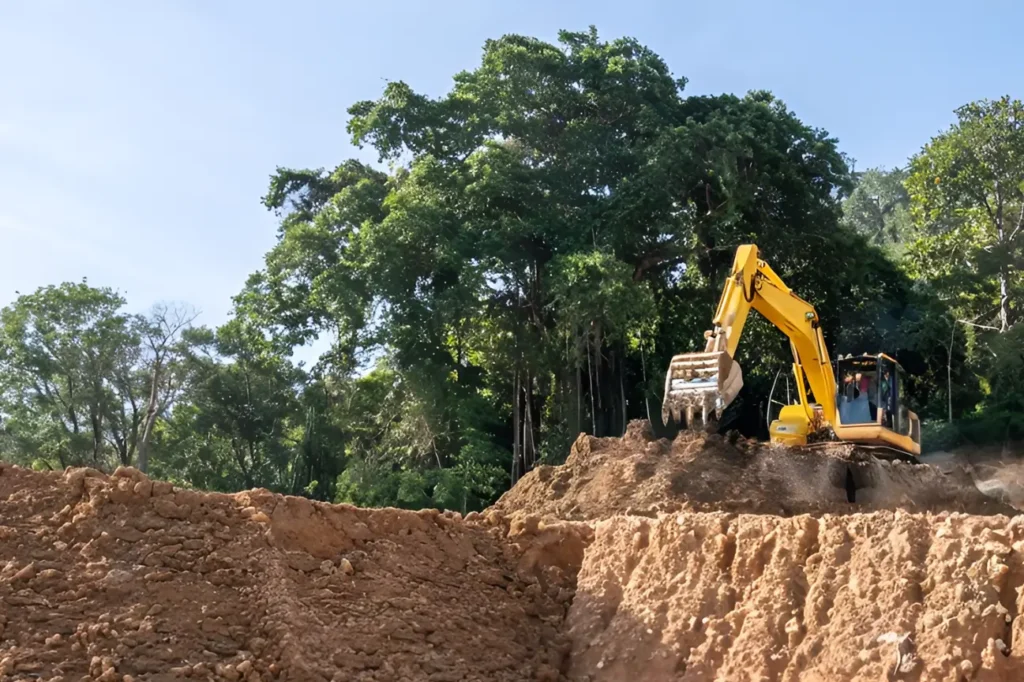
Professional land management in New Zealand requires accurate information, practical guidance, and awareness of evolving environmental conditions. This publication serves as a trusted Newsletter designed to help property owners, developers, and managers stay informed about site preparation, vegetation control, hazard management, and safe land development practices. Every edition is built to support proactive decision making while highlighting the expert insights offered by Land Clearing Auckland.
The goal of this Newsletter is to deliver clear, relevant, and actionable knowledge that helps improve land readiness, reduce environmental risks, and strengthen long term property value. Whether preparing a residential site, upgrading rural land, or managing commercial development stages, the resources shared through Land Clearing Auckland ensure that readers understand current best practices and essential responsibilities. By addressing both common and complex land challenges, the information included here provides reliable support for anyone responsible for maintaining or preparing land for future use.
This publication recognises that each property requires different levels of preparation, monitoring, and maintenance. New Zealand’s landscape is dynamic, with frequent weather shifts, varied soil conditions, dense vegetation growth, and increasing development demands. The insights presented by Land Clearing Auckland guide readers through these challenges by explaining how to recognise early land issues, plan safe clearing strategies, and prepare sites for construction or long term stability.
Understanding New Zealand Land Conditions
Property conditions across New Zealand shift due to seasonal weather patterns, soil movement, storm events, and uncontrolled vegetation growth. Because these factors influence the safety and usability of land, Land Clearing Auckland provides structured guidance to help owners anticipate issues before they escalate. Topics often covered in this educational resource include identifying unstable ground, managing slope challenges, monitoring drainage behaviour, and evaluating vegetation density that affects accessibility and safety.
Understanding how these conditions develop allows property owners to respond promptly. For example, a site with pooling water may signal blocked drainage, while rapid regrowth around boundaries may indicate the need for scheduled maintenance. These insights help ensure that properties remain compliant, accessible, and suitable for long term development.
Regulatory Updates And Industry Developments In Land Management
New Zealand continues to refine regulations surrounding land use, stormwater control, vegetation protection, and environmental compliance. Staying informed is essential for avoiding delays, penalties, or project disruptions. Land Clearing Auckland monitors important updates to help owners understand their obligations without overwhelming technical language.
Recent industry developments include new erosion control recommendations, stricter guidelines for vegetation removal near waterways, increased fire risk management expectations, and updated safety protocols for mechanical clearing equipment. These updates demonstrate how land preparation is becoming more structured, environmentally accountable, and safety focused. By staying aware of regulatory shifts, property owners can plan clearing and development timelines more efficiently while maintaining compliance.
Real World Land Preparation Examples
Practical examples help demonstrate how professional clearing and land preparation support successful outcomes. Below are three real world scenarios illustrating work commonly completed by Land Clearing Auckland.
Residential Access Improvement
A suburban property required safe vehicle access. Overgrown shrubs, unstable soil patches, and obstructed visibility made navigation difficult. Through strategic clearing, surface stabilisation, and removal of embedded roots, the property regained full access and improved functionality.
Commercial Land Readiness For Construction
A commercial site preparing for building needed large scale vegetation removal, hazard identification, and surface preparation. Clearing exposed the true contours of the land, allowing engineers to assess grading needs and move forward with structural planning.
Rural Boundary Maintenance And Fire Risk Reduction
A rural property experienced rapid gorse regrowth that increased fire hazards. Clearing and controlled vegetation management restored boundary visibility, reduced risks, and ensured safe entry for maintenance vehicles.
These scenarios highlight the importance of professional preparation and the value of detailed site evaluations conducted by Land Clearing Auckland.
Long Term Land Care Practices For Property Stability
Proactive land care helps prevent avoidable issues and protects long term property value. Guidance from Land Clearing Auckland often includes seasonal recommendations, risk monitoring strategies, and maintenance schedules that enhance land stability. Key practices include:
- Conducting seasonal inspections for erosion, pooling, or shifting soil
- Identifying unsafe trees or fallen branches that restrict access
- Monitoring vegetation close to buildings, fences, and utilities
- Clearing regrowth to maintain visibility and accessibility
- Ensuring natural water flow remains unobstructed
- Preparing land ahead of planned construction or landscaping work
Maintaining consistent observation and timely intervention supports long term safety and reduces costs associated with major corrective work.
Community Education And Environmental Responsibility
Land management is closely connected to environmental stewardship. Many property decisions affect ecosystems, waterways, and surrounding communities. For this reason, Land Clearing Auckland prioritises responsible clearing methods and shares educational guidance about topics such as soil protection, sediment control, fire risk minimisation, and sustainable vegetation practices.
Community focused initiatives often include teaching homeowners how to recognise environmental red flags, how to maintain safe access points, and how to prevent small issues from becoming larger hazards. By sharing this knowledge, the Newsletter contributes to safer, more resilient communities.
Seasonal Planning And Advantage Opportunities
Effective land management often depends on timing. Property owners who follow seasonal guidance can plan clearing work more strategically and avoid scheduling conflicts. Land Clearing Auckland offers timely reminders and planning insights to help owners prepare during ideal periods. These may include pre-summer fire risk reduction, pre-winter stability checks, and spring regrowth management.
Additional seasonal opportunities include early booking windows, resource availability updates, equipment improvements, and service recommendations tailored to property type or location.
Expertise Behind The Guidance
All recommendations shared in this publication come from experienced clearing and land preparation professionals. Their fieldwork, assessments, and industry knowledge contribute to the actionable guidance readers receive. The continued development of new techniques, improved equipment, safety training, and environmental awareness ensures that content provided by Land Clearing Auckland remains helpful, accurate, and relevant throughout the year.
FAQs About Our Newsletter
Most properties benefit from an inspection at least twice per year. Sites with steep slopes, heavy vegetation growth, or drainage concerns may require more frequent assessments. Regular inspection helps identify developing issues early.
At Land Clearing Auckland, Common indicators include obstructed access, rapid vegetation regrowth, fallen trees, drainage problems, or safety concerns such as leaning trees or unstable ground. Clearing becomes essential when land is being prepared for construction or requires improved visibility.
Yes. Many vegetation and hazard removal tasks can be completed throughout the year. Some activities may need dry conditions for optimal safety. A site evaluation will determine the best approach based on weather patterns and ground stability.
Clearing focuses on removing vegetation, debris, and hazards. Land preparation includes shaping, grading, creating access paths, or addressing drainage conditions. Clearing is typically the first step in broader development planning.
Certain zones or vegetation types may require permissions. Areas near waterways, protected trees, or environmentally sensitive sites often have specific regulations. Checking requirements early prevents project delays.
At Land Clearing Auckland, Residential sections, commercial lots, rural land, lifestyle blocks, and development areas all benefit from scheduled clearing. Improved safety, accessibility, and land functionality are common results.
Yes. Topics related to storm damage, fallen trees, erosion concerns, and documentation practices are included in various editions to help property owners navigate insurance discussions.
Contact Us
For enquiries, property assessments, or to subscribe to future editions, contact:
Email: Info@landclearingauckland.nz
Website: https://landclearingauckland.nz/contact-us/
Please include property details and service requirements for faster assistance.